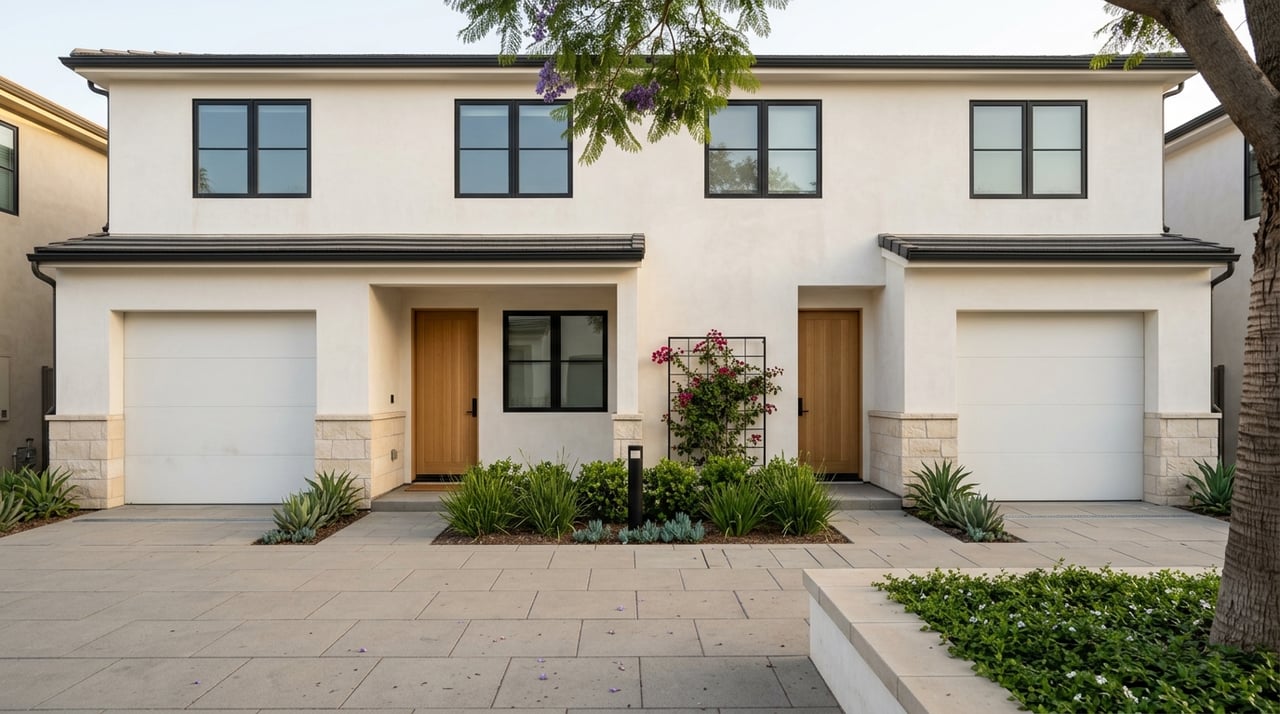
Comparing Chula Vista Neighborhoods By Homes, Commute, And Amenities
June 25, 2026
June 25, 2026
If you are trying to choose the right part of Chula Vista, you are not just picking a home. You are also choosing a daily routine, a commute pattern, and the kinds of amenities you want close by. The good news is that Chula Vista offers a wide range of neighborhood options, and understanding the tradeoffs can make your search much clearer. Let’s dive in.
Chula Vista has a broad mix of housing, from established areas near the historic city center to newer master-planned communities in the east. Citywide, the median owner-occupied home value is $758,700, and the median monthly owner cost with a mortgage is $3,090. That makes it especially important to compare not only home prices, but also the recurring costs that can come with different neighborhoods.
The city also offers 65 parks and nine community centers, so amenities are available across Chula Vista. What changes from one area to another is how those amenities are distributed and how they fit into your lifestyle. Some buyers want a more traditional neighborhood feel, while others prefer newer planning, larger retail centers, and easier access to east-side routes.
West Chula Vista, including downtown and Bayfront-adjacent areas, is most associated with older housing stock and a more traditional street pattern. The city describes established neighborhoods here as having tree-lined streets, large yards, and historic homes. If you are looking for character, mature surroundings, and homes from earlier eras, this part of the city may stand out.
This area also supports a downtown-oriented routine. You are closer to places like Chula Vista Center, Third Avenue Village, the Civic Center Branch Library, the South Chula Vista Branch Library, and the Bayfront. That can appeal to buyers who want nearby shopping, dining, public spaces, and a more central location.
Central neighborhoods such as Rancho del Rey and Sunbow often serve as a middle ground. Much of the housing in these areas traces back to the late 1980s and 1990s, which gives them a different feel from both the oldest west-side neighborhoods and the newer east-side master plans. For many buyers, that balance is part of the appeal.
These neighborhoods also have access to parks tied to this part of town, including Rancho del Rey Park, Sunbow Park, Heritage Park, and Mount San Miguel Park. If you want a neighborhood that feels established but not as old as some west-side pockets, central Chula Vista may be worth a closer look.
East Chula Vista includes communities such as Eastlake, Otay Ranch, Rolling Hills Ranch, and San Miguel Ranch. These neighborhoods are often grouped together, but they are not all from the same era. City records show development and district activity spanning from the mid-1980s through the 2000s, so the housing mix varies more than many buyers expect.
The city identifies Eastlake, Otay Ranch, San Miguel Ranch, Rolling Hills Ranch, Millenia, and Escaya as master-planned communities. According to the East Planning Area plan, these communities offer a variety of building styles, floor plans, lot sizes, and pricing options. If you are drawn to newer product, more structured community planning, and a wide range of layouts, the east side may fit your goals.
When you compare neighborhoods in Chula Vista, commute convenience often comes down to major corridors. The city identifies I-5, I-805, SR-54, and SR-125 as the key travel routes shaping local movement. Where you live can affect how quickly you connect to work, school, errands, and other parts of San Diego County.
In general, west and central neighborhoods tend to prioritize access to I-5, I-805, and trolley service. East-side neighborhoods often offer easier access to SR-125 and routes serving Otay Mesa, eastern San Diego, and La Mesa. That difference may not matter much on paper, but it can be very noticeable in your weekly routine.
If your routine is more connected to downtown San Diego or transit-centered travel, west and central Chula Vista are often the more practical fit. The trolley connects downtown with South Bay and the Mexico border, which can add flexibility for buyers who prefer transit access or want another commuting option. I-5 and I-805 also support easier north-south travel from these parts of the city.
For some buyers, this means giving up some of the newer home options found farther east. In return, you may gain a location that feels more connected to central corridors and long-established commercial areas.
East-side communities are often a strong match for routines tied to Otay Mesa, the border area, and eastern routes. MTS South Bay Rapid 225 serves eastern Chula Vista, Eastlake, and Otay Mesa, which can support some commute patterns in that part of the city. SR-125 is also a major factor for many east-side residents.
The city’s Housing Element reports that commuting behavior differs east and west of I-805. More than 76% of residents east of I-805 drive alone to work, compared with less than 75% west of I-805. Citywide, the mean travel time to work is 28.6 minutes, which gives useful context as you compare your own likely route.
If you enjoy a more central, local-business-oriented routine, west and downtown Chula Vista offer several notable destinations. Chula Vista Center includes major retailers, dining, movie theaters, and more than 100 specialty shops. Third Avenue Village features historic buildings, shops, restaurants, breweries, and coffee shops.
This part of the city may appeal to buyers who want amenities tied to a traditional downtown environment. It can feel different from a master-planned retail hub, so your preference may come down to what kind of day-to-day setting feels most natural to you.
Central Chula Vista often appeals to buyers who want access to parks and a location that sits between west and east. Rancho del Rey Park, Sunbow Park, Heritage Park, and Mount San Miguel Park help define this area’s outdoor options. For many households, that balance between established homes and practical access is the main draw.
These neighborhoods may not have the same downtown focus as the west side or the same master-planned identity as the east side. Instead, they often offer a blend that works well for buyers trying to avoid extremes in either direction.
East Chula Vista has many of the city’s best-known master-planned amenities. Buyers often focus on Otay Ranch Town Center, the Otay Ranch Branch Library, Chula Vista Community Park, Heritage Park, Eastlake lake trails, Otay Lakes, and Otay Valley Regional Park. These features can support a lifestyle centered on planned recreation, larger retail nodes, and neighborhood-specific amenities.
If amenities are a major factor in your decision, the east side often offers a strong package. Still, it is smart to compare those lifestyle benefits with commute patterns and recurring ownership costs so you get the full picture.
One of the biggest mistakes buyers make is comparing neighborhoods by price alone. In Chula Vista, that can be especially risky because some communities include recurring charges that materially affect affordability. Your real monthly cost may be very different from what the list price first suggests.
The city administers 36 open-space districts and associated zones that were established with private development to finance perpetual maintenance. The city levies annual assessments from property owners for landscape maintenance, and increases are limited by published inflation factors and Proposition 218 rules. In practical terms, some neighborhood costs are tied to how the community was developed and maintained.
HOA dues matter too. These dues are usually paid separately from the mortgage and can range from a few hundred dollars per month to more than $1,000. They should be part of your affordability review from the beginning, not an afterthought.
Loan qualification can also be affected. HOA dues are treated as other property-related expenses in monthly debt-to-income calculations, which means they can reduce the loan amount you qualify for even if the home price stays the same. That is one reason total monthly housing cost matters more than list price alone.
If you want older character, a more traditional street pattern, and a downtown-oriented routine, west and central Chula Vista are often the clearest fit. These areas can make sense if access to I-5, I-805, trolley service, and established amenities matters most to you.
If you want newer homes, more master-planned community structure, and easier access to SR-125 or Otay Mesa-oriented routes, east Chula Vista may be a better match. These neighborhoods often offer a broad range of floor plans, lot sizes, and community amenities, but they may also come with recurring costs that need close review.
For many buyers, the right answer is not about which side of Chula Vista is better. It is about which neighborhood best supports your budget, commute, and lifestyle. When you compare homes through that full lens, your decision usually becomes much easier.
If you want help comparing Chula Vista neighborhoods from both a home search and financing perspective, Olivia Guinn can help you look at the full picture with clarity and confidence.
From finding the right home to securing the right loan, everything is streamlined into one smooth experience. Real estate guidance and financing support work hand in hand, making each step clearer and more efficient. It’s a simpler way to move from search to closing with confidence.
Olivia Guinn | CA DRE# 02132542
4830 Viewridge Ave Ste D San Diego, CA 92123