What Living in Pacific Beach Feels Like Every Day
May 21, 2026
May 21, 2026
If you picture San Diego living as morning beach walks, easy coffee runs, and sunset views that fit into a real weekly routine, Pacific Beach probably comes to mind. But living here is about more than being near the sand. If you are thinking about buying in Pacific Beach, it helps to understand how the neighborhood actually feels day to day, from housing choices to traffic patterns to the mix of beach, bay, and residential streets. Let’s dive in.
Pacific Beach sits along San Diego’s mid-coastal area, with La Jolla to the north, Mission Bay and Mission Beach to the south, the Pacific Ocean to the west, and Clairemont Mesa and I-5 to the east. The area includes a mostly flat coastal plain, with hills rising toward Soledad Mountain in the northwest.
That layout shapes everyday life in a big way. The flatter central areas tend to feel more connected to shops, the beach, and bike routes, while the hillside sections often feel more residential and a bit more removed from the busiest coastal activity.
One of the biggest draws of Pacific Beach is how the coastline becomes part of your normal schedule. This is not just a neighborhood where you drive to the water on weekends. For many residents, the ocean and bay are built into the rhythm of the day.
The Mission Beach-Pacific Beach Boardwalk runs about 3.5 miles from North Pacific Beach to South Mission Beach. That makes it a natural place for walking, running, biking, skating, and simply getting outside without needing a big plan.
Pacific Beach is one of the city’s busiest beach areas, and it has permanent lifeguard coverage. Oceanfront routines often include surfing, swimming, beach volleyball, biking, and strolling, with Crystal Pier serving as a familiar public landmark for fishing and coastal views.
If you like being active outdoors, North Pacific Beach is especially well known for year-round surf use. The city notes that the area is heavily used by surfers, kite surfers, and sailboarders, and Tourmaline Surfing Park adds practical amenities like parking, showers, and restrooms.
Living in Pacific Beach also means you are close to Mission Bay Park, which gives the neighborhood a second outdoor zone beyond the oceanfront. According to the city, Mission Bay Park covers more than 4,235 acres and includes 27 miles of shoreline, 19 sandy beaches, eight official swimming areas, and close to 14 miles of bike paths.
That kind of access expands your options. You can mix beach days with bay walks, paddle outings, biking, picnics, or shore-side exercise without leaving the area.
Pacific Beach offers more than just shoreline recreation. The neighborhood also has a solid set of parks and public amenities that support everyday living.
Kate Sessions Park, Palisades Park North and South, and Pacific Beach Community Park add green space throughout the community. The Pacific Beach Recreation Center also lists classes, gym use, pickleball and tennis schedules, courts, a multi-purpose field, and a weight room.
For day-to-day convenience, the Pacific Beach/Taylor Library is another useful local resource. It includes outdoor space, a meeting room, and bus access on MTS routes 30, 8/9, and 27.
If you are considering a move here, Pacific Beach offers a broader housing mix than some buyers expect. The community plan says about 88% of the neighborhood’s acreage is residential, and within that residential land, 61% is designated for single-family use and 39% for multifamily use.
That mix helps explain why Pacific Beach can appeal to different kinds of buyers. You will find detached homes, condos, apartments, and a range of redevelopment and infill housing rather than large areas of brand-new subdivision growth.
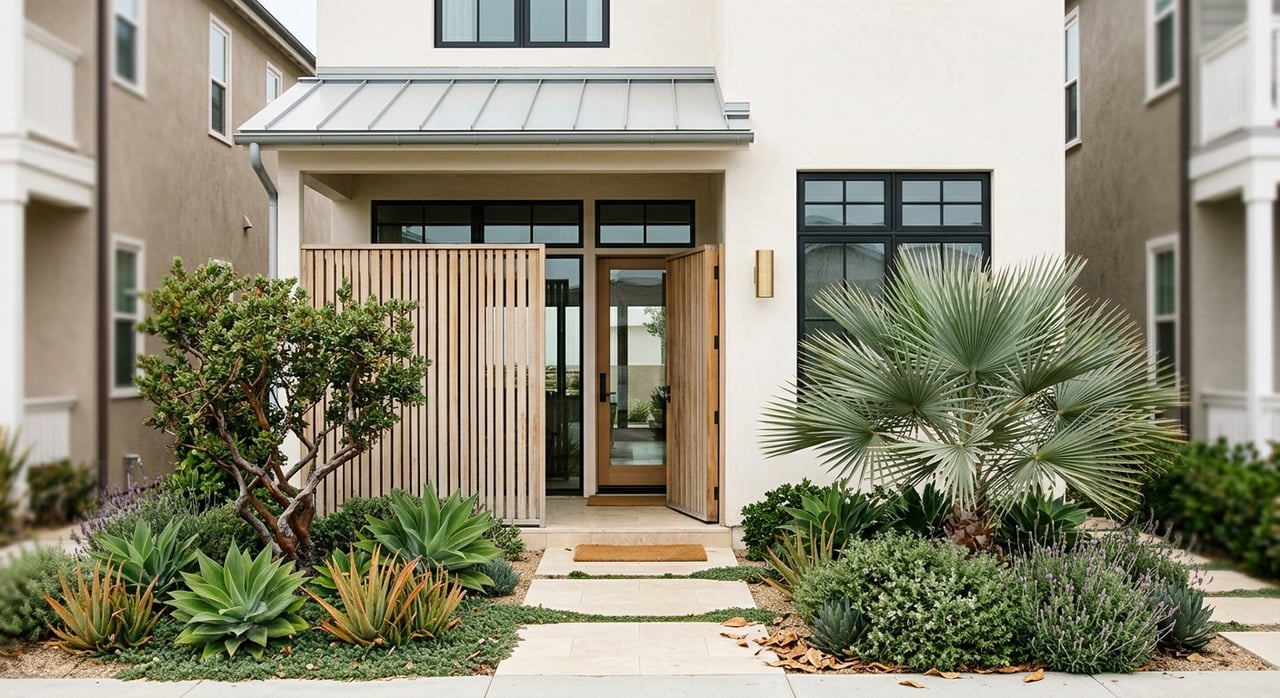
The hillside sections are characterized by detached single-family homes on larger lots. These areas often feel more separated from the busiest beach corridors and may appeal to buyers who want a more residential setting while still staying close to the coast.
There are also conventional single-family blocks across the flatter parts of the neighborhood. Depending on the exact location, these can offer a more central position with easier access to shops, parks, and the shoreline.
Higher-density housing in Pacific Beach includes condos and apartment development, especially near active commercial corridors. This tends to align with buyers who want easier access to the beach, boardwalk, and the neighborhood’s commercial core.
Because very little vacant land remains, most housing change in Pacific Beach comes through redevelopment and infill. The community plan also calls for a variety of housing types and styles, which supports a wider range of households and living preferences.
Pacific Beach’s commercial core centers on Garnet Avenue and nearby streets. City materials describe this area as a place where residents and visitors can find restaurants, pubs, shops, coffee spots, hotels, and nightlife within a short walk of the coast.
In practical terms, that means your daily routine can feel very compact. You may be able to grab coffee, meet friends for dinner, run casual errands, and head to the boardwalk without crossing multiple neighborhoods.
That convenience comes with a tradeoff. Pacific Beach is a busy coastal neighborhood, and city planning materials specifically identify traffic and parking as ongoing concerns in beach-adjacent areas.
Summer crowds can be part of the experience, especially near the shoreline and major activity zones. If you are thinking about buying here, it is worth considering how much you value quick access to amenities versus a little more separation from the busiest streets.
Pacific Beach often feels more walkable and bike-friendly than lower-density coastal areas, and the neighborhood’s grid plays a role in that. The city’s circulation planning emphasizes the existing street network and alternative transportation options.
MTS bus routes 8, 9, and 27 serve the area, and local public facilities like the library and recreation center note bus access. For some residents, that adds flexibility for commuting, errands, or getting around without relying on a car for every trip.
Pacific Beach is active, compact, and coastal. It is not a quiet enclave removed from visitors and activity, but it is also not just a beach destination. The neighborhood is anchored by residential streets, parks, schools, public amenities, and a housing mix that supports full-time living.
The city describes Pacific Beach as a community with families, young adults, students, surfers, and retirees. That variety is part of what gives the neighborhood its energy and range.
If you want a coastal San Diego neighborhood where outdoor access is part of normal life, Pacific Beach offers a lot. You have the ocean, the boardwalk, Mission Bay, parks, and a walkable commercial core all in close reach.
At the same time, your best fit within Pacific Beach may depend on your priorities. If you want to be close to the action, attached housing or central blocks may make sense. If you want a more residential feel, hillside areas or quieter single-family streets may be a better match.
That is where a local strategy matters. When you are weighing not just home style and budget, but also financing, monthly costs, and how a block feels on a Tuesday morning versus a summer weekend, it helps to have guidance that looks at the whole picture.
If you are exploring Pacific Beach and want help matching the neighborhood to your lifestyle and financing options, Olivia Guinn can help you create a clear plan with both real estate and mortgage guidance in one place.
From finding the right home to securing the right loan, everything is streamlined into one smooth experience. Real estate guidance and financing support work hand in hand, making each step clearer and more efficient. It’s a simpler way to move from search to closing with confidence.
Olivia Guinn | CA DRE# 02132542
4830 Viewridge Ave Ste D San Diego, CA 92123